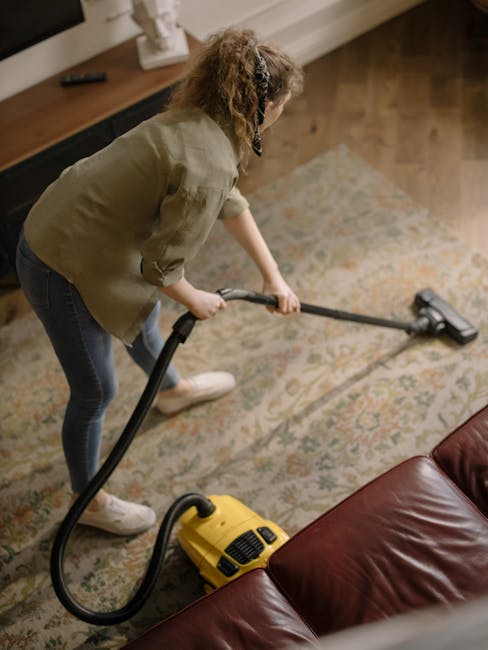
North Ockendon Carpet cleaning guides for RM14 homes
If you live in RM14 and your carpets are looking a bit tired, sticky underfoot, or carrying that familiar mix of day-to-day dust and old footsteps, you are in the right place. This guide to North Ockendon Carpet cleaning guides for RM14 homes is written for ordinary homes with ordinary messes: muddy hallways after a wet walk, a splash of tea on the lounge carpet, pet odours that never quite go away, and the odd stain that seems to have settled in for good. Truth be told, carpets do a lot of quiet work in a home, so they need a bit of care in return.
Below, you will find a practical, local-minded guide to how carpet cleaning works, when it makes sense, what to watch out for, and how to get better results without making your life harder. There is no fluff here. Just useful, human advice that helps you make a better decision.
Table of Contents
- Why North Ockendon Carpet cleaning guides for RM14 homes Matters
- How North Ockendon Carpet cleaning guides for RM14 homes Works
- Key Benefits and Practical Advantages
- Who This Is For and When It Makes Sense
- Step-by-Step Guidance
- Expert Tips for Better Results
- Common Mistakes to Avoid
- Tools, Resources and Recommendations
- Law, Compliance, Standards, or Best Practice
- Options, Methods, or Comparison Table
- Case Study or Real-World Example
- Practical Checklist
- Conclusion
- Frequently Asked Questions
Why North Ockendon Carpet cleaning guides for RM14 homes Matters
Carpet cleaning matters because carpets are more than decoration. They act like a soft filter for the home. They catch dust, grit, spilled drinks, pollen, pet hair, and the tiny bits of soil that come in on shoes. Over time, all that build-up can make a room feel dull, musty, or just not quite fresh, even if it looks tidy on the surface.
In North Ockendon, many homes deal with the usual British mix of weather, outdoor mud, and family traffic. One wet morning on the school run, and suddenly the hallway looks busier than a public footpath. If that sounds familiar, you are not alone. A sensible cleaning routine can help carpets last longer, look better, and smell cleaner without that over-perfumed, masking-the-problem feeling.
It also matters because carpets are not all built the same. Wool, synthetic fibres, loop pile, cut pile, and mixed fibres all react differently to moisture, detergent, heat, and agitation. So a one-size-fits-all approach can be a bit of a gamble. Good guidance saves you from doing more harm than good.
Expert summary: the best carpet care is usually simple, regular, and suited to the fibre in front of you. Don't wait until the carpet looks ruined. By then, the job is harder, not impossible, just harder.
How North Ockendon Carpet cleaning guides for RM14 homes Works
At home level, carpet cleaning usually follows a straightforward pattern: remove loose dirt, treat problem spots, clean the pile with the right method, then dry it properly. The details matter, though. That is where most results are won or lost.
Most professional carpet care starts with inspection. The cleaner checks the fibre type, the level of soiling, any stains, and whether there are signs of wear, colour fade, or previous DIY products left behind. That last part is important. A carpet that has been sprayed with half the cupboard already may react differently to a fresh clean. Little surprises like that are common.
From there, the process often includes:
- dry soil removal with vacuuming or pre-brushing
- targeted stain treatment where needed
- application of a cleaning solution suited to the carpet
- agitation or brushing to lift embedded dirt
- extraction, rinsing, or steam-based cleaning depending on the method
- drying and a final inspection
For many RM14 homes, steam carpet cleaning is a strong option because it can reach deeper into fibres and loosen stubborn dirt more effectively than surface-only cleaning. You can read more about that approach on the site's steam carpet cleaning page. For mixed surfaces and general room refreshes, the broader carpet cleaning service overview is also useful.
One thing people often miss: drying is not an afterthought. It is part of the job. If moisture lingers, you can end up with a damp smell, slower room use, or even wicking, where hidden soil rises back to the surface as the carpet dries. Annoying, yes. Common, also yes.
Key Benefits and Practical Advantages
There are the obvious benefits, like a cleaner-looking carpet. But the real value goes a bit deeper than that.
- Better appearance: colours look brighter, patterns show more clearly, and the carpet stops looking flat and grey.
- Improved freshness: a properly cleaned carpet can reduce the stale odour that builds up in everyday use.
- Longer carpet life: grit acts like sandpaper underfoot, so removing it helps fibres wear more slowly.
- More comfortable rooms: the whole space feels lighter, less dusty, and frankly more liveable.
- Useful for allergy-prone households: while carpet cleaning is not a medical treatment, removing dust and debris can help create a cleaner indoor environment.
- Better stain management: fresh stains handled properly are much easier to deal with than old set-in marks.
There is also a practical side that matters in real life. If you are preparing for guests, moving out, or just trying to get the lounge back to a state where you do not feel slightly embarrassed every time the curtains are drawn, a proper clean can make a noticeable difference. Not glamorous. Just effective.
For homes with furniture, it can make sense to combine carpet care with upholstery cleaning or rug cleaning so the whole room looks consistent rather than half-done. That is one of those small details people notice, even if they cannot quite say why.
Who This Is For and When It Makes Sense
This guide is for homeowners, tenants, landlords, and busy families in RM14 who want a practical way to look after carpets without overcomplicating it. If any of the following sounds familiar, it probably makes sense to act sooner rather than later:
- you can see traffic lanes in hallways or living rooms
- there are pet smells or pet-related stains
- a child has spilled food, juice, paint, or something much more determined
- the carpet feels gritty even after vacuuming
- you are preparing for a tenancy handover or house sale
- you have had building work and dust has settled everywhere
- you simply want the house to feel cleaner again
Some people wait for a carpet to look visibly dirty before they book any cleaning. Fair enough, it is human nature. But carpet care often works best as maintenance, not rescue. If your home has a front room used every day and a hallway that sees constant foot traffic, that is a good sign the carpet is ready for a proper refresh.
It also makes sense for households with mixed needs. Maybe the lounge carpet is fine, but the stairs are worn. Maybe the bedroom is okay, but the dining room has a coffee stain that has become part of the furniture in spirit, if not in reality. A targeted approach is often more sensible than trying to clean every room the same way.
Step-by-Step Guidance
If you want better results, the best place to start is with a simple, structured process. No drama. Just a sensible routine.
- Check the carpet fibre. Wool, synthetic, and blended carpets all need slightly different handling. If you are unsure, test a tiny hidden area first.
- Vacuum thoroughly. Get into edges, corners, and under movable furniture where possible. Dry soil must come out first, otherwise it turns to mud during cleaning.
- Identify stains early. Old stains need different treatment than fresh spills. A red wine mark from last night is a very different beast from a mystery patch that has aged for months.
- Spot treat carefully. Use the right stain removal approach for the stain type. Blot, do not rub. Rubbing just pushes the problem deeper and roughs up the pile.
- Choose the right method. Some carpets respond well to hot water extraction or steam cleaning, while others need a gentler low-moisture approach.
- Manage drying. Open windows where safe, use airflow, and avoid walking heavily on the carpet until it is dry.
- Inspect once dry. Check for any reappearing marks, uneven texture, or areas that may need a second pass.
A small but useful tip: do not wear your "I'm only popping in for five minutes" shoes on freshly cleaned carpet. Five minutes has a funny way of becoming enough to undo the neatness. Happens all the time.
If you are dealing with a stubborn mark that just will not shift, the stain removal guidance can help you understand when a stain can be treated safely and when it is better left to a specialist. For odours linked to pets, the dedicated pet stain odour removal service is particularly relevant.
Expert Tips for Better Results
Here is where the little gains come from. These are the kinds of things experienced cleaners tend to do without making a fuss about it.
- Act quickly on spills. The first ten minutes matter more than most people realise.
- Use less liquid than you think. Over-wetting is one of the easiest mistakes to make at home.
- Work from the outside of a stain inward. That helps stop it spreading.
- Keep vacuuming regular. Weekly vacuuming is a simple habit that pays off.
- Move furniture carefully. Heavy items can crush fibres, so lift where possible or use protection.
- Watch for hidden damp. Skirting edges and under-sofa areas can stay wetter longer than the open middle of the room.
Another small but valuable habit: clean before the carpet looks desperate. A carpet cleaned while still in decent condition usually responds better and dries more evenly. In our experience, that is one of those unexciting truths that saves time and money later.
If you are comparing options or want to understand what a professional visit might include, the site's pricing and quotes page is a sensible place to start. And if you care about how payments are handled, the payment and security information is worth a look too.
Common Mistakes to Avoid
Most carpet problems after cleaning come from a handful of very ordinary mistakes. The good news? They are easy to avoid once you know them.
- Using too much detergent: leftover residue can attract dirt and make the carpet look grimy again quickly.
- Scrubbing hard at stains: this can damage fibres and spread the mark.
- Ignoring drying time: walking on a damp carpet can flatten the pile and transfer dirt back in.
- Mixing products: never combine cleaners unless you know they are compatible.
- Cleaning the wrong way for the fibre: wool, for example, needs extra care compared with some synthetics.
- Waiting too long to treat spots: old stains are harder, often much harder.
There is also a less obvious mistake: cleaning only the visible part of a stain. The surface may look fine, but liquid can sink deeper into the backing. Then you get that ghost mark that returns a few days later. A bit maddening, honestly.
If the stain has travelled into adjacent fabrics or furnishings, it may be worth looking at sofa cleaning or curtain cleaning so the room stays balanced and the smell does not linger in one corner.
Tools, Resources and Recommendations
You do not need a shed full of gear to keep carpets in good order. A few well-chosen tools and a steady routine usually do the job.
- Vacuum cleaner with decent suction: more important than fancy features, to be fair.
- Soft brush or carpet rake: useful for lifting pile and loosening dry debris.
- Microfibre cloths: good for blotting spills without leaving lint behind.
- Plain white towels: handy for pressing moisture out of a fresh spill.
- Spot treatment suitable for carpets: always check fibre compatibility first.
- Fans or open-window airflow: helps the drying stage along.
For homeowners who want a more complete refresh, pairing carpet care with sofa cleaning, mattress cleaning, or upholstery cleaning can make a big difference to overall freshness. Rooms often smell cleaner because the fabrics are treated together, not one at a time.
If you want to understand the company's broader approach to trust, service quality, and helpful information, the about us page is useful background. For anything related to safety, the insurance and safety information gives reassurance in plain English.
Law, Compliance, Standards, or Best Practice
Carpet cleaning in domestic homes is not usually something people think of as "compliance-heavy", but best practice still matters. In the UK, reputable cleaning work should be carried out with attention to safety, product use, and care for the property. That includes sensible handling of cleaning agents, avoiding unnecessary slip risks, and respecting the condition of flooring, furniture, and fixtures.
If a cleaner is working in a home, practical best practice includes checking surfaces before use, explaining drying expectations, and using appropriate methods for the carpet type. If pets, children, older residents, or anyone with sensitivity issues are in the home, it is especially sensible to ask what is being used and how long the space will need to dry. That is not fussy. It is just good housekeeping.
For households that value responsible service, the site's health and safety policy, recycling and sustainability information, and terms and conditions are all worth reading before booking. They help set expectations clearly and reduce awkward surprises later.
One more thing: if you are renting, remember that end-of-tenancy expectations can vary by agreement and by the condition the carpet was in at the start. It is best to check your own tenancy terms rather than assume. Simple, but important.
Options, Methods, or Comparison Table
Not every carpet needs the same treatment. Choosing the right method depends on the fibre, the level of soiling, and how quickly the room needs to be back in use.
| Method | Best for | Strengths | Watch-outs |
|---|---|---|---|
| Vacuuming only | Light maintenance | Quick, regular, low disruption | Will not remove deep stains or embedded dirt |
| Spot cleaning | Fresh spills and isolated marks | Fast and targeted | Can spread stains if done too aggressively |
| Low-moisture cleaning | Sensitive carpets or quicker turnaround | Reduced drying time | May not suit heavy soil build-up |
| Steam or hot water extraction | Deeper refresh and ingrained dirt | Strong cleaning power, good for many domestic carpets | Needs careful drying and correct fibre handling |
For many RM14 homes, the decision is not between "clean" and "not clean". It is between "good enough for now" and "properly handled so it lasts". That distinction matters. A hallway might need a deeper wash, while a bedroom only needs lighter maintenance. A good cleaner should be able to explain that clearly without turning it into a hard sell.
Case Study or Real-World Example
Consider a typical North Ockendon home with a hallway, a family lounge, and one upstairs bedroom carpet that has become the unofficial refuge for a pet that likes the warm spots. The hallway gets muddy in wet weather, the lounge has food crumbs and foot traffic, and the bedroom has a faint odour that only becomes obvious when the window has been shut all day.
A practical approach would be to vacuum first, then treat the hallway with deeper cleaning because of the grit and repeated traffic. The lounge would likely need spot treatment around the sofa area, where drinks and snacks have a way of meeting each other. The bedroom would benefit from an odour-aware treatment, especially if there are signs of pet accidents beneath the surface.
The result is not just a better-looking carpet. The home feels calmer. Less "we should really sort that out", more "ah, that is better". That shift is a small thing until you live with it every day.
In a mixed room, you may also decide to clean the rug separately with rug cleaning rather than treat it exactly like the fitted carpet. That is a small judgment call, but it often makes the final result look much more polished.
Practical Checklist
Use this quick checklist before, during, or after carpet cleaning in an RM14 home.
- Vacuum thoroughly before any wet cleaning
- Check the carpet fibre if you are unsure
- Blot spills instead of rubbing them
- Test any treatment on a hidden area first
- Keep the room ventilated while drying
- Move furniture back only when the carpet is fully dry
- Watch for stains that reappear after drying
- Use the correct method for the level of soil
- Combine rooms and fabrics where it makes sense
- Review pricing and quotes before booking if you want a clear idea of the process
Quick takeaway: better carpet care is not about doing more. It is about doing the right things in the right order. That is usually where the win is.
Get a free quote today and see how much you can save.
Conclusion
North Ockendon Carpet cleaning guides for RM14 homes are really about making good decisions with less guesswork. If your carpet is lightly dusty, you may only need a stronger maintenance routine. If it has stains, odours, or heavy traffic wear, a more thorough method will usually be the smarter choice. Either way, the key is to match the method to the carpet, not the other way round.
When done well, carpet cleaning brings back a room's sense of order. It freshens the feel of the house, protects your flooring, and makes everyday life a bit nicer. Not dramatic. Just quietly better, which is often what home care should be.
If you are ready to take the next step, start with the service information on carpet cleaning and decide what best fits your home. A little care now tends to save a lot of bother later, and that is a trade worth making.
Frequently Asked Questions
How often should carpets be cleaned in an RM14 home?
There is no single rule for every household. A busy family home, a house with pets, or a hallway that sees constant muddy shoes will usually need more frequent attention than a low-traffic bedroom. Regular vacuuming helps, but a deeper clean becomes sensible when the carpet starts to look dull, feel gritty, or hold on to smells.
What is the best carpet cleaning method for most homes?
For many domestic carpets, hot water extraction or steam-style cleaning is a strong choice because it can lift embedded dirt well. That said, the best method depends on the fibre, age, and condition of the carpet. Delicate carpets may need a gentler approach. There is no clever shortcut here, just a good match.
Can I remove stains myself before booking a professional clean?
Yes, but be careful. Blot fresh spills with a clean cloth and avoid rubbing. Use only carpet-safe products and test them in a hidden area first. If the stain is old, spread out, or oily, it may be better left alone until a proper assessment is made. Some DIY fixes make the stain harder to remove later.
Why does my carpet smell worse after cleaning sometimes?
This usually happens when moisture or hidden dirt remains in the carpet backing, or when a stain has wicked back up during drying. It can also happen if too much product was used. Good ventilation and careful drying help a lot. If odours are linked to pets, a more targeted treatment may be needed.
Is steam carpet cleaning safe for all carpets?
No, not automatically. Steam or hot water extraction is effective for many carpets, but some fibres and finishes need more cautious handling. Wool, for example, should be treated with care. Always check the carpet type first, and if you are unsure, ask before using heat or too much water.
How long does carpet drying usually take?
Drying time varies with the method used, room temperature, airflow, and how heavily the carpet was cleaned. A lightly cleaned carpet may dry faster than a deeply extracted one. Good ventilation speeds things up, while thick pile and cooler weather can slow it down. Simple as that.
What should I do before a carpet cleaner arrives?
Clear as much floor space as you can, move fragile items, and make a note of any problem stains or areas of concern. Vacuuming beforehand is helpful too. If you have pets or children, plan where they will be during drying so nobody ends up sprinting across a damp room. That happens more than you would think.
Can carpet cleaning help with pet smells?
Yes, especially when the smell comes from spills, accidents, or trapped odours in the fibres. Surface cleaning alone may not be enough if the issue has gone deeper. In those cases, a more targeted approach such as pet stain odour removal is usually more appropriate.
What is the difference between carpet cleaning and rug cleaning?
Carpet cleaning deals with fitted flooring, while rug cleaning is for loose floor coverings that may have different fibres, dyes, or backings. Rugs can often be moved, inspected more easily, and treated with more control. If you have both, it is worth treating them separately rather than assuming the same method suits both.
How do I know if a carpet is beyond saving?
Most carpets are not beyond help. Even very tired carpets can often be improved, though some may have permanent wear, fibre damage, or staining that will not fully disappear. A good cleaner should be honest about what can be improved and what cannot. That honesty matters more than a flashy promise.
Do I need to prepare differently for end-of-tenancy carpet cleaning?
Usually, yes. You will want to focus on visible marks, odours, and any areas likely to be checked at handover. It is also wise to review your tenancy terms and the condition of the carpet at move-in. If you are renting, keep expectations clear and avoid assuming that "clean" means the same thing to everyone.
Where can I read more about service details and trust information?
For service details, start with carpet cleaning. For company background, about us is useful, and for practical customer information, the insurance and safety page and terms and conditions pages are worth checking before you book.
And that is really the heart of it. Good carpet care is not flashy, but it makes home life easier in ways you notice every single day. A cleaner carpet is a quieter kind of comfort, and sometimes that is exactly what a home needs.