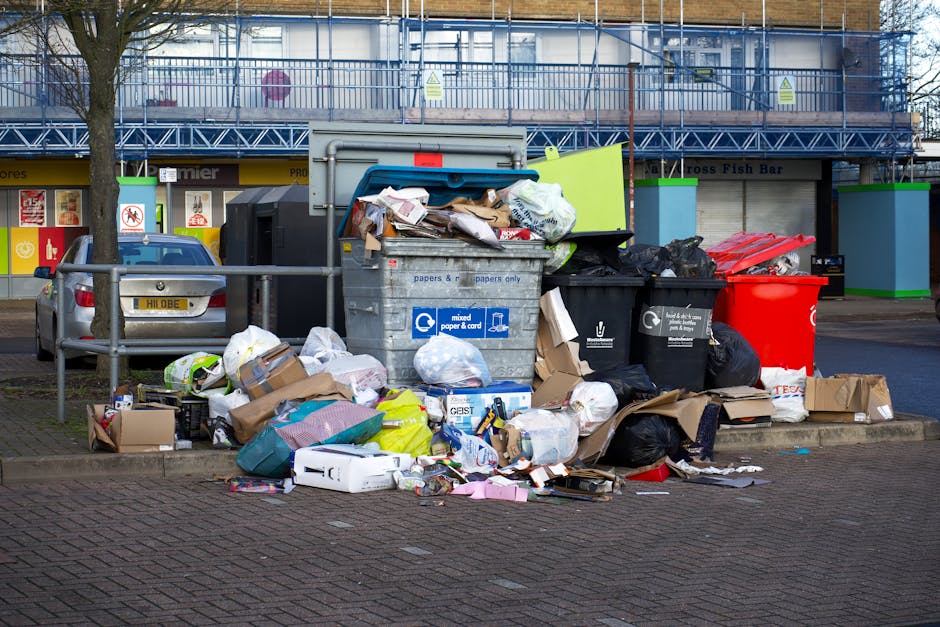
What to know about Havering council cleaning waste rules
If you are trying to make sense of What to know about Havering council cleaning waste rules, you are probably dealing with one of two things: a pile of waste after a deep clean, or uncertainty about what can go in which bin. Truth be told, that is where a lot of people get stuck. Cleaning waste sounds simple until you are standing there with mop water, broken packaging, used cloths, old vacuum dust, or a bag of contaminated bits that do not quite feel like normal household rubbish.
This guide breaks the topic down in plain English. You will learn how cleaning waste is usually handled, why council expectations matter, what the practical dos and don'ts look like, and how to stay on the safe side without making the whole job more complicated than it needs to be. We will also cover common mistakes, a useful checklist, and a few real-world examples that make the rules easier to apply on an ordinary Tuesday, not just in theory.
One quick note before we start: council guidance can change, and some waste categories are treated differently depending on the property, the material, and whether it is domestic or commercial. So this article is a practical guide, not a legal substitute. Still, it should give you a strong working understanding. And that, frankly, saves a lot of faffing about.
Contents
- Why these waste rules matter
- How cleaning waste handling works in practice
- Key benefits and practical advantages
- Who this is for and when it makes sense
- Step-by-step guidance
- Expert tips for better results
- Common mistakes to avoid
- Tools, resources and recommendations
- Law, compliance, standards and best practice
- Options, methods and comparison table
- Case study or real-world example
- Practical checklist
- Conclusion
- Frequently asked questions
Why What to know about Havering council cleaning waste rules Matters
Waste rules matter because cleaning produces more than just visible dirt. A proper clean often creates a mixture of everyday rubbish, absorbent materials, used cloths, packaging, disposable PPE, and sometimes waste that should not be mixed with normal household bags. If you ignore that mix-up, you can end up with overflowing bins, missed collections, extra charges, complaints from neighbours, or a mess that is awkward to dispose of safely.
In Havering, as in most London boroughs, the practical issue is not just what you want to throw away. It is how the waste is classified, stored, separated, and presented for collection. That sounds official, and a bit stiff, but the reality is fairly ordinary: a council needs waste to be sorted in a way that protects collection crews, keeps streets tidy, and reduces contamination in recycling streams.
For households, this usually means getting your standard rubbish, recycling, and garden waste right. For landlords, cleaners, and local businesses, it can mean a bit more planning. After a one-off deep clean, for example, you might have heavier bags, dirty water, or bulky items that do not belong in the same stream as light recycling. Small details. Big difference.
Practical takeaway: The safest approach is to sort waste as you go, keep dirty and recyclable items separate, and check the council's current guidance before a job that produces more waste than usual.
How What to know about Havering council cleaning waste rules Works
The rules work on a simple principle: different types of waste need different handling. That is true whether you are cleaning a family home, a rented flat after tenants move out, or a small office with carpets that have seen better days. The trick is knowing which waste stream each item belongs to.
In everyday terms, cleaning waste usually falls into a few broad groups:
- General household waste such as dust, non-recyclable wrappers, used wipes, and broken items that cannot be recycled.
- Recyclable waste such as clean cardboard, paper, plastic bottles, tins, and similar materials accepted by the local collection system.
- Garden or green waste if your cleaning project includes leaves, cuttings, or soil from outside areas.
- Bulky waste such as old furniture, mattresses, or large worn-out items removed during a deep clean.
- Special or hazardous waste where items may be contaminated, sharp, chemical-based, or otherwise unsuitable for normal bins.
That last category deserves extra care. A bleach bottle with residue, broken glass, a sharp needle, or contaminated cleaning cloths should never be treated casually. If something could injure a collector or leak into other waste, pause and handle it separately.
For most residents, the process is straightforward: separate waste at the source, use the correct container, and put bins out in line with the collection arrangement for your property. For businesses or communal properties, the process can be more formal. You may need labelled bins, scheduled collections, or a clearer waste management routine. Nothing dramatic. Just sensible organisation.
And yes, the annoying bit is that waste often looks like one big jumble when you're in the middle of cleaning. But if you split it early, the rest of the job gets much easier. A little discipline saves a lot of standing around later, bag in hand, wondering where on earth the old cloths should go.
Key Benefits and Practical Advantages
Following the correct waste rules is not just about avoiding trouble. It genuinely makes cleaning jobs smoother and less stressful. You notice it most when there is a lot to clear. The room feels calmer. The bin area stops becoming a bottleneck. The final tidy-up takes less time. That is not glamorous, but it matters.
- Cleaner presentation: Sorted waste is easier to move, store, and collect without leaving a mess behind.
- Lower contamination risk: Recyclables stay usable when they are not mixed with food waste, wet cloths, or general rubbish.
- Better safety: Separating sharp, chemical, or heavy items reduces the chance of injury.
- Less chance of collection problems: Incorrectly presented bins are more likely to be refused or left behind.
- More efficient deep cleans: A clear waste plan makes the cleaning itself feel more controlled.
For commercial sites, there is also a reputational angle. If clients or tenants see tidy waste handling, it signals care. A slightly scruffy waste area, on the other hand, tends to make everything else look less professional, even if the actual clean was excellent. Fair or not, that is how people read a space.
There is another benefit that is easy to overlook: better waste habits often make future cleans easier. Once you know which materials pile up most often, you can plan ahead with the right liners, sacks, and collection arrangements. It becomes part of the routine rather than a last-minute scramble.
Who This Is For and When It Makes Sense
This topic is relevant to more people than you might expect. If you live in Havering and do any kind of regular cleaning, you will probably bump into waste questions sooner or later.
Homeowners and tenants need this information when doing spring cleaning, clearing out cupboards, replacing worn items, or dealing with messy rooms after busy periods. If you have ever done one of those end-of-week clear-outs and realised the bin is nowhere near big enough, you already know the feeling.
Landlords and letting agents need clear waste handling when properties are turned around between occupants. Old bedding, broken small appliances, and leftover packaging can build up fast. If the waste is mixed badly, the move-out process becomes slower than it should be.
Commercial property managers should care because cleaning waste at offices, salons, retail units, or shared buildings can include more varied material than domestic waste. Paper, packaging, disposable cloths, and sometimes specialist waste all need separate thought.
Cleaning companies and self-employed cleaners also need a strong grasp of the rules. Clients rarely want a lecture about waste streams, but they do want a site left safe, tidy, and compliant. A cleaner who gets this right builds trust quickly. No drama, no guessing.
It makes sense whenever the clean involves more than a quick wipe-down. If there is stripping out, deep cleaning, bulky item removal, biofilm, contamination, or a large volume of disposables, the waste side should be planned before the first bucket even comes out. Otherwise you end up reacting instead of managing.
Step-by-Step Guidance
If you want a practical way to approach Havering council cleaning waste rules, start with a simple process. Not fancy. Just consistent.
- Identify the waste before you start. Walk through the job and note what will be thrown away: packaging, cloths, old items, debris, liquids, or anything sharp.
- Separate as you go. Keep recycling, general waste, and any special waste apart from the outset. A single mixed pile creates avoidable problems later.
- Use the right bags and containers. Strong liners matter for damp waste, heavy debris, or items with rough edges. Thin bags split at the worst moment, usually just as you are carrying them outside. Classic.
- Keep hazardous or contaminated waste isolated. If a material could leak, cut, or irritate, do not bundle it with ordinary rubbish.
- Check collection rules for the property. Some homes have standard bin schedules; some blocks of flats or commercial units have shared facilities and stricter presentation rules.
- Prepare bulky waste separately. Large items often need a different route from regular bin waste. Do not assume they can be left beside a general bin.
- Dispose of liquid waste carefully. Dirty water, cleaning solutions, and chemical residues should never be tipped carelessly where they could harm drains or surfaces. Follow product instructions and local expectations.
- Do a final sweep of the area. Before you leave, check for loose debris, spills, torn bag fragments, and anything that may have been missed.
A useful rule of thumb is this: if you would not want it mixed with the next person's waste, keep it separate. Simple enough.
Expert Tips for Better Results
After enough cleaning jobs, you start seeing the same little issues over and over. The good news is that most of them are easy to prevent once you know what to look for.
Plan for waste before you clean. People often think of bags and disposal as an afterthought. It is better to have the right sacks, liners, and a disposal plan ready before you touch the first dusty shelf. You will move faster and make fewer mistakes.
Do not overload bags. It sounds obvious, but heavy bags tear, and torn bags create double work. Keep them manageable, especially where stairs, shared hallways, or narrow paths are involved.
Use two-stage sorting for big jobs. First sort into broad groups. Then, if needed, separate the awkward items: sharp, wet, recyclable, and bulky. That approach is useful in empty properties or after a deep clean.
Keep a small "problem waste" box. This is handy for broken glass, loose screws, batteries, and other awkward bits. It sounds a bit fussy, but it saves a lot of irritation later.
Be realistic about smells and residue. Damp cloths, pet waste traces, and old food packaging can create unpleasant odours quickly, especially on warm days or in a shut-up flat. Seal those items promptly. No heroics required.
Document waste handling where it matters. For businesses and landlords, a simple note of what was removed and how it was disposed of can help if questions come up later. Nothing elaborate, just enough to show care.
If you are ever unsure, stop and reassess. That pause is usually cheaper than fixing a contamination issue or a missed collection. It really is.
Common Mistakes to Avoid
Most waste problems come from a small set of predictable errors. The same ones, over and over.
- Mixing recyclables with dirty waste: One wet cloth can spoil a bag of clean cardboard.
- Ignoring bulky items: Leaving a mattress or chair near the bins without checking collection rules can cause problems for everyone in the block.
- Overfilling sacks: Heavy bags split, especially on stairs or rough surfaces.
- Tipping liquids without checking: Cleaning fluids, grease, or dirty water need care. Not every liquid should go the same way.
- Assuming all council rules are identical: Borough guidance can differ, and property type matters too.
- Forgetting about communal areas: Hallways, bin stores, and shared paths need to stay clear.
- Leaving sharps or breakables loose: This is one of the easiest ways to create an avoidable injury risk.
One slightly awkward mistake we see a lot is this: a cleaner does all the hard work beautifully, then dumps the waste in a way that creates a second job. Bit maddening, really. The clean looks finished, but the site still feels unfinished because the waste stage was rushed.
If you only remember one thing here, make it this: waste handling is part of cleaning, not a separate chore. Treat it that way and the whole job starts to flow better.
Tools, Resources and Recommendations
You do not need a warehouse full of kit to handle cleaning waste properly, but a few basic tools make life easier.
- Strong refuse sacks: Useful for heavier general waste and items with sharper edges.
- Colour-coded containers or labels: Helpful where waste needs to be separated quickly and clearly.
- Heavy-duty gloves: A sensible choice when handling dirty, sharp, or awkward waste.
- Spill absorbent material: Handy if liquids escape while you are moving waste.
- Bin store caddies or tubs: Useful in shared properties or commercial spaces where waste can pile up fast.
- Documentation sheet or job checklist: Especially useful for landlords, caretakers, and cleaning teams.
For a broader sustainability-minded approach, it can also help to look at how your cleaning routine affects waste volume in the first place. Choosing reusable cloths where appropriate, reducing disposable packaging, and sorting recyclables properly can all cut down the mess. If that is something you are already thinking about, the site's recycling and sustainability information is a sensible place to start.
When you're planning a deeper clean or a bigger project, it is also worth thinking about the service scope itself. For instance, a full-property refresh may involve carpet care, upholstery, curtains, or mattress items that create different waste patterns. In those cases, pages like carpet cleaning, upholstery cleaning, and mattress cleaning can help you plan what needs to be removed, protected, or disposed of.
If the job involves stains, odours, or pet-related residue, the waste side becomes more sensitive again. That is where a focused service such as stain removal or pet stain and odour removal may be more appropriate than a general quick clean.
For businesses, a cleaner waste routine can sit neatly alongside broader site management. A well-run office or retail space often depends on the small systems people hardly notice until they fail. The same goes for waste.
Law, Compliance, Standards and Best Practice
Waste handling sits close to a few important compliance ideas, even if the day-to-day task looks simple. The main principle is that waste should be managed safely, responsibly, and in line with the relevant local arrangements for the property type.
For domestic cleaning waste, that usually means using the council collection system correctly, avoiding contamination, and presenting bins as required. For commercial premises, the expectations are often higher because the waste stream may be larger, more varied, and subject to workplace duties around safety and cleanliness.
Best practice usually includes:
- separating waste types at source;
- avoiding cross-contamination between recycling and general waste;
- keeping potentially hazardous items apart;
- using safe handling methods for heavy or sharp waste;
- following product instructions for chemicals and cleaning liquids;
- making sure communal areas are not obstructed.
If you run a business, the duty of care around waste becomes more important. In plain English, that means you should know what you are producing, store it properly, and arrange disposal in a way that does not create avoidable risk. You do not need to be an expert in legislation to act sensibly, but you do need a process.
Insurance and safety also matter here. If waste handling creates a slip hazard, a cut hazard, or a contamination issue, that can become a bigger problem than the original clean. A quick look at health and safety policy and insurance and safety information can be helpful if you are comparing service providers or setting up your own routine. For service terms and practical expectations, terms and conditions can also give useful context.
One more thing: if your cleaning involves sensitive premises, such as busy offices or shared accommodation, clear communication matters almost as much as the physical sorting. People need to know what is being removed, when, and where it will go. That simple clarity avoids half the headaches.
Options, Methods, or Comparison Table
Different cleaning jobs call for different waste handling methods. Here is a simple comparison that may help you choose the right approach.
| Method | Best for | Strengths | Watch-outs |
|---|---|---|---|
| Standard bin separation | Routine household cleaning | Simple, familiar, easy to maintain | Can fail if bags are mixed carelessly |
| Pre-sorted bagging | Deep cleans and clear-outs | Reduces contamination and speeds disposal | Needs a bit more planning at the start |
| Dedicated bulky waste handling | Furniture, mattresses, large items | Safer and more orderly for larger objects | May require separate collection or transport |
| Problem-waste isolation | Sharps, chemicals, contaminated items | Improves safety and reduces injury risk | Needs careful identification and handling |
| Scheduled commercial waste management | Offices, shops, communal sites | Reliable and better for larger volumes | Requires routine checks and clear responsibility |
For most households, standard separation plus the occasional bulky waste plan is enough. For landlords and businesses, pre-sorted bagging and scheduled handling usually make life much easier. Not exciting, perhaps, but very effective.
Case Study or Real-World Example
Imagine a small rented flat in Havering after a tenant move-out. Nothing extreme, just the usual mix: a few broken hangers, food packaging from the final day, dusty skirting, old bedding, a bin bag of used cloths, and a tired armchair left behind because no one wanted to argue about it. Quite ordinary, really.
The first instinct might be to put everything into the nearest bag and deal with it later. But that is where problems begin. The bedding is bulky. The armchair is not general rubbish. The packaging can likely be recycled if it is clean enough. The used cloths belong with general waste. The broken hangers may be recyclable or not, depending on material. It is not a mystery, just a sorting task.
A better approach would be:
- remove reusable or recyclable items first;
- bag dirty textiles separately from packaging;
- keep sharp fragments or broken plastic isolated;
- identify the armchair as a bulky item for separate disposal;
- finish with a clean-through of the floors and waste area.
What changes the outcome here is not effort, but structure. The flat leaves looking cleaner, the waste is easier to move, and there is less risk of a collection issue. You can almost feel the difference by the end of the job. The hallway is clear, the bins are not overflowing, and nobody is standing around holding a half-open bag with a resigned look on their face.
That is the real point of understanding waste rules. It is not bureaucracy for its own sake. It is simply a way to keep the job neat, safe, and finishable.
Practical Checklist
Use this checklist before, during, or after a cleaning job that creates noticeable waste.
- Have I identified all waste types before starting?
- Are recyclables separated from dirty or contaminated waste?
- Do I have strong bags or containers for heavier items?
- Have I isolated sharp, chemical, or unusual items?
- Are bulky items being handled separately?
- Do I know where waste should be stored before collection?
- Have I checked for spills, loose debris, or torn bags?
- Is the bin area left tidy and unobstructed?
- Do I need to record anything for a landlord, client, or business log?
- Have I followed the latest local instructions where applicable?
If you can tick most of those boxes, you are usually in good shape. Not perfect, perhaps, but very much on the right track.
Get a free quote today and see how much you can save.
Conclusion
What to know about Havering council cleaning waste rules comes down to a simple habit: sort waste properly, handle awkward items with care, and do not leave disposal decisions until the end. Once you understand the basics, the whole process becomes much less stressful. Cleanings feel more controlled, collections go more smoothly, and the final result looks more professional.
Whether you are clearing a home, managing a rental, or keeping a workplace in order, the same principle applies. Waste is part of the job. Deal with it well, and everything else tends to fall into place.
And honestly, that is often the difference between a clean that looks done and a clean that actually feels done.
Frequently Asked Questions
What counts as cleaning waste in Havering?
Cleaning waste usually includes items created during a clean, such as dust, used cloths, wipes, packaging, broken small items, and any debris removed from a room or property. The exact handling depends on whether the waste is recyclable, general, bulky, or potentially hazardous.
Can I put all cleaning waste in one bin bag?
Not always. Mixing everything together can contaminate recycling, create safety risks, and make disposal harder. It is better to separate recyclable, general, and awkward items as you clean.
What should I do with bulky items after a deep clean?
Bulky items such as furniture or mattresses usually need separate handling rather than being left with standard waste. Check the collection route for the property before you move them out.
Are cleaning chemicals considered hazardous waste?
Some cleaning chemicals and residues may need special care, especially if they are strong, contaminated, or being disposed of in quantity. Always follow the product instructions and keep chemicals away from normal rubbish unless you are sure it is safe to do otherwise.
Can used wipes and cloths go in recycling?
Usually not if they are dirty or contaminated. Used wipes, cloths, and similar cleaning materials normally belong in general waste unless the local guidance says otherwise and the material is clean enough to be recycled.
What happens if I put waste in the wrong bin?
Incorrectly sorted waste can lead to contamination, missed collections, extra handling, or complaints in communal areas. In a business setting, it can also create unnecessary compliance and safety concerns.
Do landlords need different waste handling rules from tenants?
The basic sorting principles are the same, but landlords often deal with larger volumes, move-out waste, and occasional bulky items. That means they usually need a more organised disposal plan than a typical household.
How should I handle broken glass from a cleaning job?
Broken glass should be isolated carefully in a secure container or wrapped safely so it cannot cut anyone handling the waste. Never leave it loose in a bag with general rubbish.
Do commercial cleaning jobs need more formal waste procedures?
Often yes. Offices, shops, and communal buildings typically produce more waste and may need clearer rules around storage, separation, and removal. A written process can save a lot of confusion.
Is it worth separating waste for a small home clean?
Yes, even for small jobs. Once you start separating recyclables, general waste, and awkward items, the whole clean tends to feel easier and the final tidy-up becomes much quicker.
Where can I find more practical cleaning guidance?
Useful starting points on this site include a deep clean checklist, end-of-tenancy cleaning advice, and house cleaning routine tips. They are useful if you are trying to make waste handling part of a bigger, calmer cleaning system.
What is the best first step if I am unsure about a waste item?
Pause and sort it separately until you are sure. If an item is sharp, contaminated, bulky, or chemical-based, it should not be guessed into the nearest bin. A brief check now is better than a mess later.